

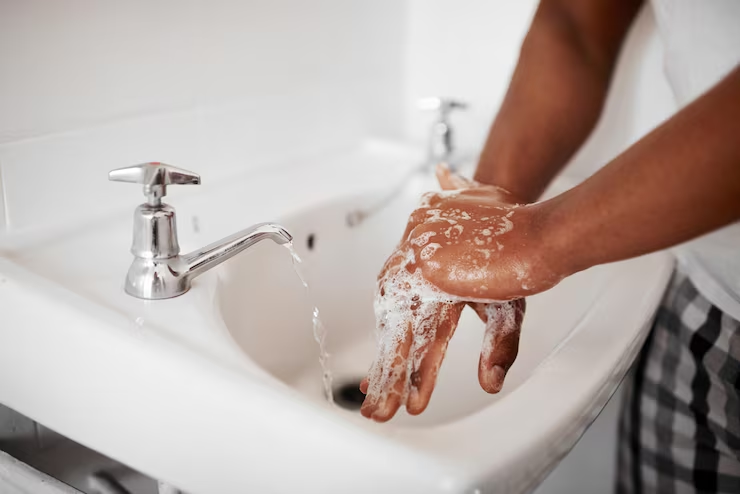
In a world where we’re constantly on the move—touching surfaces, interacting with others, and handling everyday objects—our hands become one of the main ways germs spread. Washing your hands regularly might seem like a simple habit, but it plays a powerful role in protecting your health and the well-being of those around you.
The Hidden Germs on Your Hands
Throughout the day, your hands come into contact with countless surfaces—door handles, phones, money, and more. These surfaces can carry bacteria and viruses that are invisible to the eye. Without proper hand hygiene, these germs can easily enter your body when you touch your face, eat food, or rub your eyes.
Preventing Illness
Frequent handwashing is one of the most effective ways to prevent the spread of common illnesses such as colds, flu, and stomach bugs. By simply washing your hands with soap and water for at least 20 seconds, you can remove harmful microorganisms before they have a chance to make you sick.
Protecting Others
Handwashing isn’t just about protecting yourself—it’s also about protecting others. When you maintain good hygiene, you reduce the risk of spreading germs to family members, coworkers, and the wider community. This is especially important around young children, elderly individuals, or anyone with a weakened immune system.
When Should You Wash Your Hands?
To stay protected, make sure to wash your hands:
- Before and after eating
- After using the restroom
- After coughing, sneezing, or blowing your nose
- After touching public surfaces
- Before preparing food
- After handling pets or waste
Building a Healthy Habit
Turning handwashing into a regular habit doesn’t take much effort, but it makes a big difference. Keep soap readily available, use hand sanitizer when soap isn’t accessible, and remind yourself to wash your hands throughout the day.
A Simple Step, A Big Impact
Washing your hands is quick, easy, and incredibly effective. It’s one of the simplest actions you can take to stay healthy and prevent the spread of disease. By making it part of your daily routine, you’re not only taking care of yourself—you’re contributing to a healthier, safer environment for everyone.